
Categories
Geen onderdeel van een categorie

Warehousing in Rotterdam: a strategic advantage for your supply chain

Warehousing in Rotterdam provides businesses with a strong logistical foundation for both national and international distribution. Thanks to the unique position of the Port of Rotterdam, its excellent infrastructure and direct connections across Europe, Rotterdam has long been one of the most attractive locations for professional storage and logistics services.

Why choose warehousing in Rotterdam?

The Port of Rotterdam is the largest seaport in Europe and a key hub within global supply chains. By storing goods in or near Rotterdam, companies benefit from shorter lead times, lower transportation costs and maximum flexibility.
Warehousing in Rotterdam is particularly well suited for companies active in import, export and European distribution.

Warehousing in Rotterdam is particularly well suited for companies active in import, export and European distribution.

Multimodal connectivity

One of the main advantages of warehousing in Rotterdam is its multimodal accessibility. Goods can be efficiently transported via:
– sea freight
– road transport
– rail
– inland shipping

This flexibility allows businesses to select the most efficient transport mode per shipment, reducing costs while increasing reliability and delivery performance.

Fast and efficient cargo handling

Due to the close proximity of terminals, container depots and logistics hubs, inbound and outbound processes are fast and well-organised. Warehousing in Rotterdam helps minimise waiting times and ensures smooth cargo flows — essential in a market where speed and delivery reliability are increasingly critical.

Flexible storage for fluctuating volumes

Many companies deal with seasonal peaks or changing volumes. Warehousing in Rotterdam offers the flexibility to scale storage capacity up or down without long-term commitments or investments in own facilities.

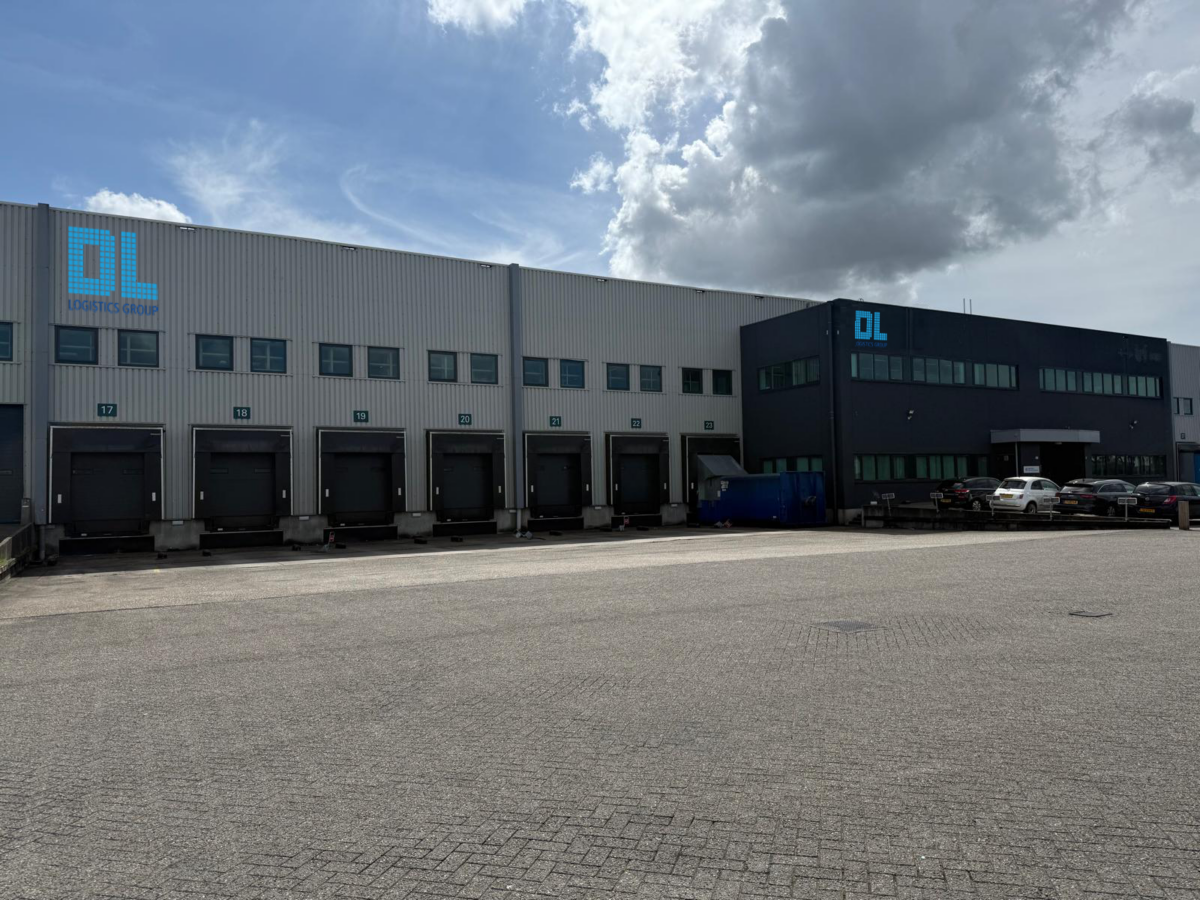
Modern warehouses — including our DL Logistics warehouse in Rotterdam — are suitable for:

  • pallet storage of dry goods
  • short-term and long-term storage
  • scalable 3PL solutions

Cost efficiency and focus on growth

By outsourcing warehousing to a logistics partner in Rotterdam, companies reduce fixed costs such as real estate, staffing and equipment. This allows them to focus on their core business, while logistics operations are handled professionally and efficiently.

Warehousing in Rotterdam with DL Logistics

DL Logistics supports businesses with flexible and reliable warehousing solutions in Rotterdam. From pallet storage to full logistics support, we ensure an efficient setup of your supply chain.
Our warehouse is located at the Distripark, directly adjacent to the dynamic Waalhaven — a logistics hotspot just minutes away from both the Short Sea Terminal and the Rail Service Center. With over 8,000 m² of warehouse space and capacity for more than 10,000 pallets, we are well equipped to support your logistics needs.

Curious how warehousing in Rotterdam can strengthen your supply chain?
Get in touch with us to discuss the possibilities, or read more about our location on the dedicated page.
Categories
Geen onderdeel van een categorie

What you need to know about fruit and vegetable packaging

Packaging plays an essential role in our daily lives. On average, every Dutch person opens about seven packages a day. From food to new electronics, almost everything we buy is packaged in one way or another. But how does one choose the right packaging material and what are the advantages and disadvantages of the various options?

On a day-to-day basis, plastic is often used to package fresh goods. This is because plastic is an excellent way to keep fruits and vegetables fresh longer. It helps retain moisture, preventing the product from drying out and losing its freshness. Although plastic has a negative reputation when it comes to environmental friendliness, it is just as recyclable as paper. However, it is important to carefully separate plastic from regular waste and make sure it does not end up in nature, where it does not degrade.

Paper is another popular material for packaging. It has the advantage of being versatile in terms of shape and printing. In addition, it is biodegradable, making it a more attractive choice for environmentally conscious consumers. But paper also has a downside: it requires more raw materials in production, meaning its impact on forests is greater than plastic. This brings us to the choice of environmentally friendly packaging, for which there is no single answer. Which is the best option depends on what you care about: recycling or biodegradability.

Safe packaging is key

Safety is another important factor when it comes to packaging. Packaging should not release harmful substances to the food and should not affect the taste, smell, color or firmness of the product. This ensures the safety of the packaged food and consumer confidence in the product.

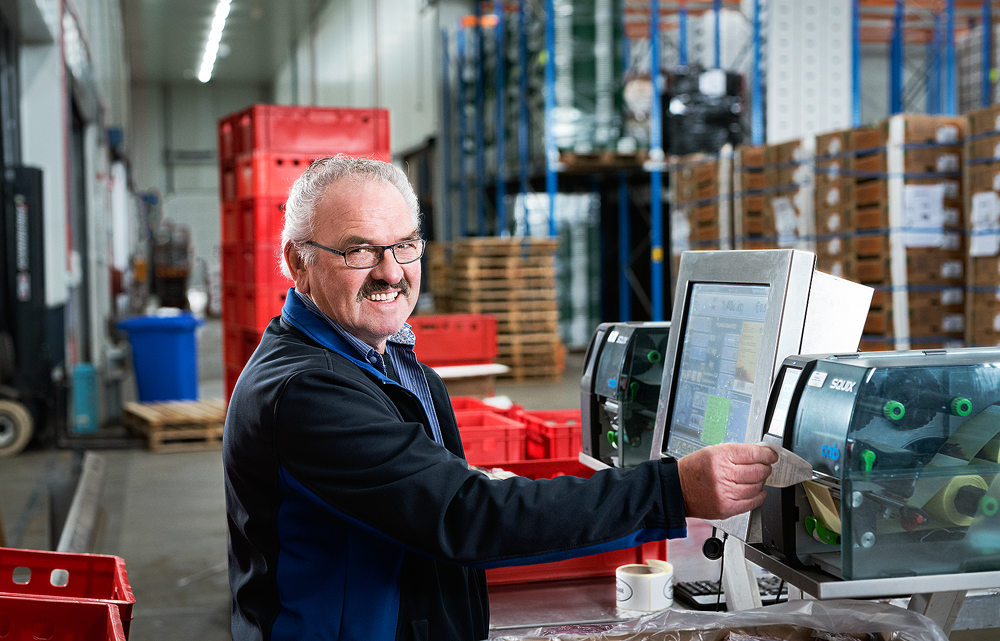
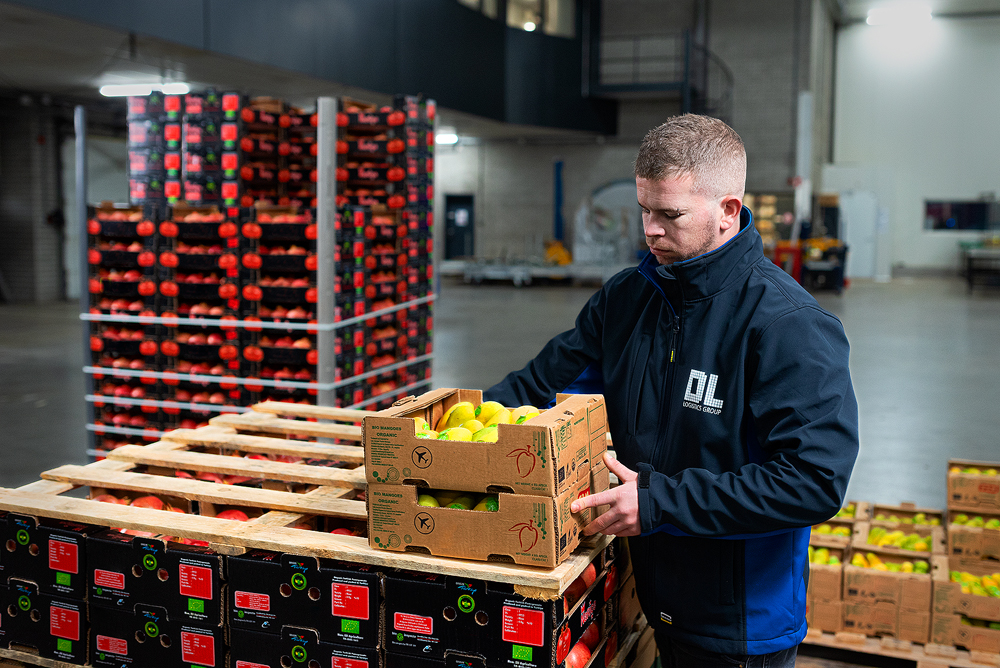
DL is a company that specializes in packaging fresh goods. With years of experience in the industry, we can provide advice on choosing the right packaging and provide labels with such things as expiration dates. Moreover, we offer safe storage facilities for goods, including refrigerated and certified areas for (organic) fresh produce.

With DL’s knowledge and expertise, companies can efficiently pack and store their fresh goods. DL provides a complete solution for logistics needs, from packaging to storage, helping companies keep their products safe and fresh.

For more information or an introduction can you contact us and we are happy to help with any packaging and logistics questions.

Categories
Geen onderdeel van een categorie

This is why certificates as BRC, AEO, SKAL, GlobalG.A.P. CoC and AGP are so important to us

In all operations involving your goods, we at DL are committed to meet the strictest requirements. We constantly aim to deliver top quality, safety, efficiency and reliability to our customers. In order to meet these requirements, certificates such as BRC, SKAL and AGP are very important within the transport and logistics sector.

These certificates enable us to guarantee our customers that we meet the strictest hygiene and quality standards. But what do these certificates mean?

The BRCGS standard

The BRC-S&D certificate, also known as the British Retail Consortium (BRC) Global Standard for Storage and Distribution, focuses on the safety and quality of products during storage and transport. This food safety standard defines the requirements DL must meet regarding food safety, traceability and quality.

GlobalG.A.P. CoC

GlobalG.A.P. is a standard for the agricultural sector that stands for food safety, sustainability and quality. The GlobalG.A.P. certificate is specially designed to have the traceability from grower to consumer in 1 line and thus more transparency.

A SKAL-certificate

A Skal certificate is a certificate that every company that produces, processes, packages, imports, trades or stores organic products must have. This includes DL. Companies with this certification can demonstrate that they manage their products responsibly.

AEO

For companies in international trade, the AEO permit is increasingly a necessary authorization. In addition, the AEO permit is becoming increasingly important as a quality certificate. With it, DL demonstrates that they are part of a secure logistics chain.

DL is an Excisable Goods Location (AGP)

Excisable products include tobacco products, alcoholic products and mineral oils. These products are subject to an additional tax, excise duty. The products can be transported in two ways: excisable (the excise tax has already been paid) and non-taxable (under suspension of payment). As you can imagine, Customs wants to keep an eye on the unaccustomed goods in particular, as they are still owed excise duty. Untaxed transport may only take place between two approved locations. We as DL are one certificated location. But even if you import excisable goods from a non-EU country, you can suspend remittance of the national excise duty. The suspension of the payment of excise duty is done by transferring the goods to DL after the import declaration.

The benefits of these certificates

These certificates allow us to show that DL meets the strongest standards for product storage and transportation. In addition, many companies in the food and beverage industry also require their logistics partners to be certified. It also ensures quality because the requirements of certification are very high. For example, these requirements oversee product safety, hygiene and protecting product quality.

In addition to the above certificates, we have even more certificates.

Curious about what we can do for you? We have both certified warehouse and transportation solutions for you. Contact us today.